Funny Cutting Board Laser Cut Design Review
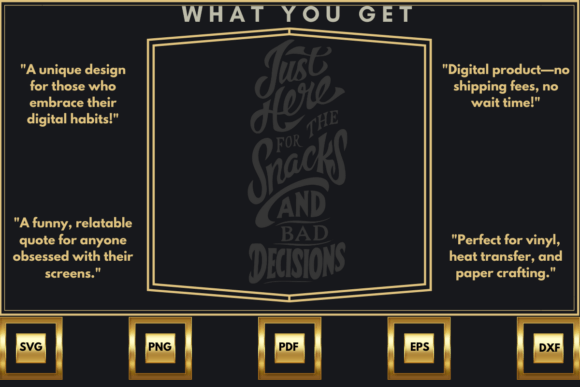
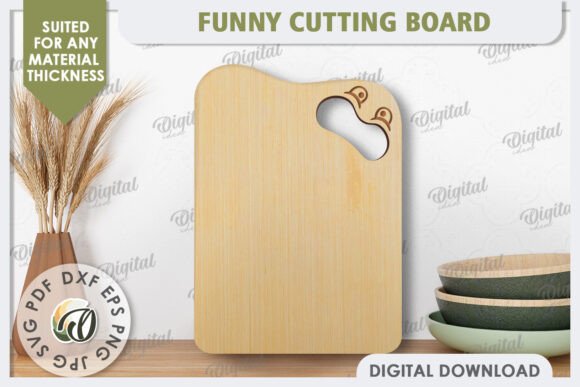
As a designer who has spent years navigating the intersection of digital assets and tangible craftsmanship, I approach every new file with a critical eye. When I first opened the preview for the Funny Cutting Board Laser Cut Design, my initial reaction was one of amusement mixed with professional curiosity. The visual personality is bold, relying on sharp lines and witty typography that immediately signals its intended category: Other Home Decor. However, before rushing to digitize this concept or adapt it for my own product line, I needed to evaluate how these specific design elements translate from a screen into a physical reality.
The mood created by this design is undeniably lighthearted and conversational. It feels like the kind of piece that sparks a smile in a kitchen setting, but does that charm hold up when moved from a laser cutter to an embroidery machine? In the world of machine embroidery design, humor often relies on clarity. If the text is too dense or the shapes too intricate, the joke gets lost in the thread. My first impression suggests that while the layout is visually striking as a Laser Cutting pattern, adapting it for fabric requires careful consideration of stitch density and fabric texture.
From Digital File to Stitched Reality
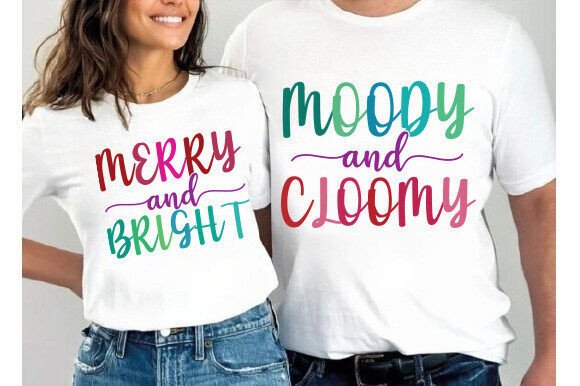
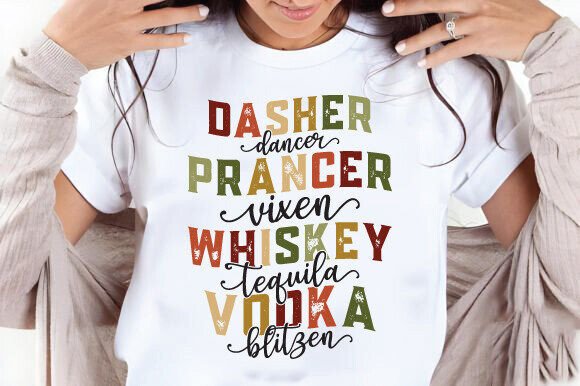
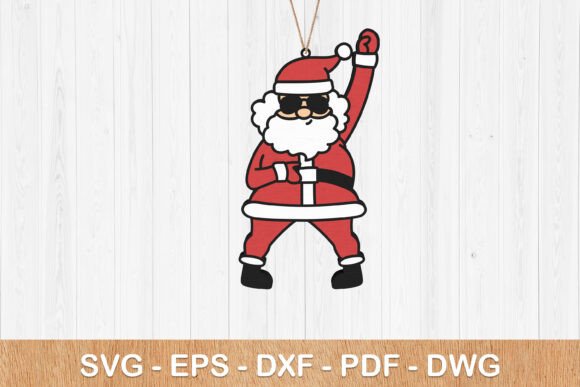
Imagine you are preparing a custom embroidered tote bag for a craft fair next month. You want something that stands out among the usual floral patterns and generic quotes. This is where the Funny Cutting Board Laser Cut Design could potentially shine, provided you adjust your expectations. The design's geometric nature lends itself well to satin stitch outlines, which can give the text a crisp, polished look against canvas. However, if you attempt to replicate the fine details seen in the inspiration photos using only fill stitch, you risk creating a muddy appearance where individual letters blur together.
In a real-life scenario, such as creating a personalized gift for a cooking enthusiast, the success of this project hinges on the hoop size. The original design likely assumes a large cutting bed, but embroidery hoops have limits. If you try to fit the entire composition into a small 4x4 hoop, the lettering may become illegible. I would recommend scaling the design down to focus on the core phrase rather than the surrounding decorative elements. For a sweatshirt embroidery project, the contrast between the dark fabric and bright thread colors becomes crucial. The design's humor works best when the text pops, so pairing it with high-contrast floss is essential for maintaining readability and impact.
Navigating Fabric Challenges and Texture
One of the most significant challenges when translating a Laser Cutting concept to embroidery is dealing with different material behaviors. A wooden board holds a cut edge perfectly, but fabric stretches, shifts, and absorbs thread. If you plan to use this design on custom apparel made from thin or stretchy fabric, you must be cautious. The tension required to pull the needle through multiple layers can distort the funny text, making it look wavy or uneven. This is why selecting the right stabilizer is non-negotiable. Without adequate backing, the finished product will lack the professional finish that builds customer trust.
Furthermore, consider the application on textured fabrics like terry cloth for a kitchen towel or a heavy denim apron. The design assets in this pack feature clean lines that might get swallowed by the loops of a towel. In such cases, increasing the stitch density slightly or adding a layer of applique design underneath the stitching can help define the shape. For a baby embroidery item, safety and softness are paramount; thick satin stitches on delicate knitwear can cause puckering. Always test the design on scrap fabric first to ensure the running stitch and fill areas sit flat without pulling the garment out of shape.
Commercial Viability for Small Businesses
For the Etsy seller or small shop owner looking to expand their catalog, this design offers a unique angle for holiday gifts or boutique merchandise. The "funny" aspect is a strong selling point for seasonal items, such as a Christmas tea towel or a Father's Day apron. However, as a reviewer, I must emphasize the importance of licensing. Since this is a digital product where no physical goods are sent, you must confirm whether the license allows for commercial use of the finished stitched items. Many digital embroidery file creators restrict the sale of products made from their designs unless a specific commercial license is purchased.
When building a brand around handmade products, consistency is key. Does this whimsical design align with your existing aesthetic? If your shop specializes in elegant nursery decor, a loud, humorous cutting board motif might feel out of place. Conversely, for a brand focused on quirky, conversation-starting home goods, it fits perfectly. To maximize buyer engagement, create printable mockups that show the design on various items, not just the cutting board shown in the inspiration photos. Showing the design on a cap, a patch, or a pillow cover helps customers visualize the versatility of the asset.
Practical Designer Notes for Success
To ensure the Funny Cutting Board Laser Cut Design performs well in your workflow, follow these practical steps:
- Test on Scrap Fabric: Never skip the test run. Stitch the design on a similar fabric to your final project to check for registration issues and thread breaks.
- Check Thread Contrast: Ensure the chosen thread colors stand out against the background. Dark text on dark fabric is a recipe for poor visibility.
- Review Stitch Density: Adjust the density settings in your software if the design appears too sparse or too heavy for the chosen material.
- Confirm Hoop Size: Measure your design dimensions against your available hoops to avoid cropping important parts of the message.
- Inspect Small Details: Zoom in on tiny lettering or decorative corners. These areas often require manual editing to prevent bird nesting or skipped stitches.
- Verify Licensing: Double-check the terms of use before listing any commercial embroidery items for sale to avoid legal issues.
Ultimately, the value of this design lies in its adaptability. While it was created with Laser Cutting in mind, its underlying structure offers a solid foundation for creative embroidery projects. By understanding the limitations of fabric and thread, and by applying professional judgment to the execution, you can transform a simple digital file into a high-quality handmade product that delights customers. Whether you are making a one-off personalized gift or stocking shelves for your online store, the key is to respect the medium. Treat the embroidery file not just as a picture, but as a blueprint that requires skillful translation to achieve the best results.
As you move forward with your next embroidery project, remember that the most successful designs are those that balance creativity with technical precision. The Funny Cutting Board Laser Cut Design provides a fun starting point, but your expertise as a maker is what will bring it to life on fabric. Take the time to prepare, test, and refine, and you will create pieces that not only look great but also stand the test of time and frequent washing.