Funny Duck Handle It but Cry First PNG Review
As a designer who has spent years turning digital graphics into tangible, stitched realities, I approach every new file with a mix of excitement and skepticism. The market is flooded with T-Shirt Designs that look crisp on a screen but fall apart under the needle. Today, I am putting Funny Duck Handle It but Cry First PNG through its paces to see if it holds up as a viable asset for your craft business or personal projects. This isn't just about whether the image is cute; it is about how it translates from a flat Graphics file into a textured, three-dimensional finished product.
The Mood and Visual Personality
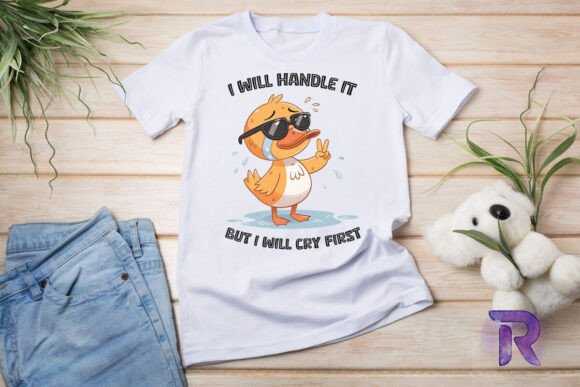
At first glance, the concept behind this design strikes a chord that resonates deeply with modern consumers. The juxtaposition of a resilient duck character with the relatable sentiment "Handle It But Cry First" creates an instant emotional connection. In the world of custom apparel, humor that acknowledges struggle while offering encouragement is a goldmine. The visual layout appears balanced, with the duck serving as the anchor for the text. For an Etsy seller or a boutique owner, this kind of personality-driven art often drives higher engagement than generic patterns.
However, moving from a printable mockup to a real machine embroidery design requires a critical eye. The lines defining the duck's beak and feet need to be thick enough to hold their shape when filled with thread. If the original digital embroidery file relies too heavily on fine details, you might face issues with stitch definition. My initial assessment suggests that the bold outlines are promising, but the text kerning will need careful attention to ensure legibility after stitching.
Real-World Application: A Custom Tote Bag Scenario
Let's imagine a practical scenario. You are preparing a batch of canvas tote bags for a local craft fair. These bags are intended as personalized gifts for friends navigating stressful times or as small shop products for your own brand. You load the Funny Duck Handle It but Cry First PNG into your machine. The goal is a clean, professional look that stands out against the natural texture of the canvas.
In this context, the design shines because the subject matter is large enough to be visible from a distance. When converting the PNG to an embroidery file, the fill stitch areas on the duck's body should be dense enough to cover the fabric completely without showing gaps. The text, however, presents a challenge. If you opt for a satin stitch border around the letters, the "Cry First" portion needs to be wide enough to prevent the stitches from bunching up. On a sturdy tote bag, the design feels robust and playful, perfectly matching the casual utility of the item.
Navigating Fabric and Hoop Challenges
While the design works well on stable fabrics like canvas or heavy cotton, we must discuss where it could struggle. If you attempt to use Funny Duck Handle It but Cry First PNG on a thin, stretchy jersey t-shirt, the movement of the fabric during stitching can distort the lettering. Always use a high-quality stabilizer and test the design on scrap fabric first. The hoop size is another critical factor; ensure your machine can accommodate the full width of the duck and the phrase without needing to re-hoop, which often leads to registration errors.
Textured fabrics like fleece or chenille also require caution. The pile of the fabric can interfere with the stitch density, causing threads to sink in and lose visibility. For a sweatshirt embroidery project, you might need to adjust the pull compensation settings to account for the fabric stretching. Additionally, if you are working on dark fabrics, the choice of thread colors becomes paramount. A white outline or a light-colored fill for the duck will provide the necessary contrast to make the message pop.
Where Caution Is Required
- Small Hoop Sizes: Do not shrink this design below its recommended dimensions. Tiny lettering will become illegible once stitched.
- Curved Surfaces: Embroidering this on a cap requires significant digitization adjustments. The flat text may not conform well to a curved brim.
- Detailed Corners: Sharp angles in the duck's wings or beak can cause thread breaks if the running stitch count is too low.
- Frequent Washing: Ensure the fill stitch is secure. Items like kitchen towels or aprons undergo rigorous washing, which can loosen poorly anchored threads.
Impact on Brand Value and Customer Trust
For creative entrepreneurs, the quality of your handmade product directly influences customer trust. A sloppy embroidery job on a trendy design like this can damage your reputation. Conversely, a well-executed version of Funny Duck Handle It but Cry First PNG elevates the perceived value of your items. Customers buying holiday embroidery gifts or baby embroidery pieces expect precision. They want the text to be crisp and the imagery to look intentional, not accidental.
When used correctly, this design acts as a conversation starter. It adds a layer of personality to commercial embroidery projects that generic logos cannot achieve. Whether you are creating an embroidered patch for a hat or decorating a pillow cover for nursery decor, the ability to deliver a clear, high-quality finish builds loyalty. Your clients will appreciate that you selected a design that balances humor with technical execution.
Practical Designer Notes for Success
Before committing to a production run, I strongly advise you to treat this as a test project. Load the file and stitch a sample on the exact fabric you plan to sell. Check the thread tension and verify that the applique design elements (if any) lay flat. Inspect the small details under good lighting to ensure no loose threads mar the aesthetic. Also, remember to compare how the design looks on both light and dark backgrounds before finalizing your color palette.
Finally, always confirm the licensing terms associated with Funny Duck Handle It but Cry First PNG. While the description mentions it is perfect for printables and iron-on transfers, selling finished goods often requires specific commercial permissions. As a responsible craft business owner, verifying these rights protects your livelihood. By taking these steps, you transform a simple graphic into a profitable, high-quality asset that brings joy to your customers and credibility to your brand.