I’m Never Sure If I Actually SVG: A Designer’s Review
As an embroidery designer who has spent countless hours digitizing files and troubleshooting machine errors, I approach every new machine embroidery design with a mix of curiosity and caution. When I first encountered the file titled I m Never Sure if I Actually SVG Funny, my initial reaction was skepticism mixed with amusement. The title itself suggests a meta-humor that appeals to the modern crafter, but as professionals, we know that a clever name does not guarantee a clean stitch-out. After reviewing the assets included in the package—specifically the SVG file intended for cutting machines like Cricut Explore and Silhouette, as well as compatibility with Adobe Suite, Inkscape, and Corel Draw—I wanted to evaluate how this graphic translates from a digital concept into a tangible finished product.
First Impressions and Visual Personality
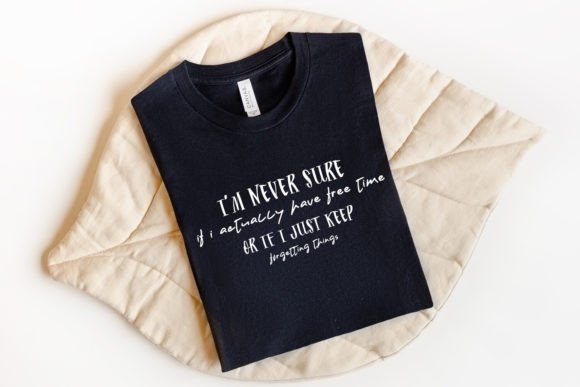
The mood of this design is inherently playful and self-deprecating. It fits perfectly into the current trend of ironic, text-based graphics that dominate social media and boutique apparel. Visually, the layout relies heavily on typography. For an embroidery project, text-heavy designs are notoriously tricky. They require precise digitizing to ensure legibility without creating a dense, cardboard-like feel on the fabric. Since the provided folder includes an SVG, it is primarily positioned as a cut file for vinyl or heat transfer, which falls under the broader category of Print Templates and Graphics. However, many small business owners attempt to convert these SVGs into embroidery files using auto-digitizing software. This is where the real test begins.
If you are considering using this design for a custom apparel line, the visual personality is strong. It speaks directly to hobbyists, makers, and even fellow designers who understand the struggle of perfecting a craft. It creates an immediate connection with the buyer, suggesting that the creator behind the product has a sense of humor. This kind of relatability is gold for Etsy sellers and craft business owners looking to build brand loyalty.
Real-World Application: The Tote Bag Test
To truly evaluate the potential of this design, I imagined a specific real-life scenario: preparing a custom embroidered tote bag for a local craft fair. Tote bags are a staple for small shop products because they are practical, affordable, and serve as walking advertisements. Using the SVG as a reference for scale and layout, I considered how the text would look when stitched onto canvas.
For a tote bag, you want bold, clear lettering. If you were to digitize this SVG into an embroidery file, you would need to pay close attention to stitch density. Canvas is a sturdy fabric, but it can pucker if the stitches are too tight. The phrase "I'm Never Sure If I Actually..." implies a casual, handwritten, or quirky font style. In embroidery, this would likely require a combination of satin stitch for smaller letters and fill stitch for larger ones. The challenge lies in maintaining the "funny" aspect without losing readability. If the letters are too thin, they may break during washing; if they are too thick, the joke gets lost in a blob of thread.
This design would also work exceptionally well as a vinyl heat transfer on a sweatshirt embroidery project, where the texture of the fleece complements the smooth vinyl. For those sticking strictly to the provided SVG, it is ideal for creating printable mockup assets or digital product previews, allowing customers to visualize the design on various items before purchase.
Navigating Fabric and Hoop Constraints
While the design is versatile, there are specific situations where caution is required. If you plan to use this on baby embroidery items, such as onesies or bibs, you must consider the size. Baby garments have limited space, and tiny lettering can become illegible after a few washes. Furthermore, stretchy fabrics like jersey knits require a high-quality stabilizer to prevent distortion. Without proper stabilization, the text could warp, ruining the comedic timing of the phrase.
Another critical consideration is curved surfaces, such as caps or hats. Embroidering long sentences on a cap is difficult due to the curvature of the front panel. The design might need to be arched or broken into two lines to fit comfortably within a standard hoop size. For embroidered patch creation, however, this design shines. Patches allow for higher stitch densities and can be removed if the placement isn't perfect, making them a safer bet for testing new design assets.
Dark fabrics present another hurdle. If you are stitching this on a black hoodie or navy tote, you need high-contrast thread colors. White or bright neon threads would pop, but you must ensure the background fabric doesn't show through the stitches. A proper underlay stitch is crucial here to create a solid foundation.
Commercial Viability and Brand Consistency
For commercial embroidery projects, consistency is key. This design offers a unique voice that can help differentiate your brand from generic competitors. It appeals to a demographic that values authenticity and humor. When used in holiday embroidery gifts or personalized products, it adds a layer of thoughtfulness. It’s not just a name; it’s a statement. This increases the perceived value of the handmade product and can justify a higher price point.
However, before selling finished items, you must verify the licensing terms. The product description mentions it includes a ZIP folder with an SVG file for various design suites. It does not explicitly state commercial usage rights for embroidery. As a responsible designer, I always advise checking the license agreement included in the download. If the license permits commercial use for physical goods, this design can be a lucrative addition to your digital embroidery file library or physical inventory. If it is for personal use only, restrict it to client gifts or personal samples.
Practical Designer Notes for Best Results
To get the most out of this design, follow these practical steps:
- Test on Scrap Fabric: Always run a test stitch on the same type of fabric you intend to use for the final product. This helps you adjust tension and density.
- Check Thread Contrast: Ensure your thread color stands out against the fabric. Use a black-and-white mockup to verify readability before threading the machine.
- Review Stitch Density: If you convert the SVG to an embroidery format, manually adjust the density. Auto-digitizing often creates excessive stitches that can damage delicate fabrics.
- Confirm Hoop Size: Measure the design dimensions against your machine’s maximum hoop size. You may need to resize the design, which could affect legibility.
- Inspect Small Details: Zoom in on the vector file to check for any stray nodes or overlapping paths that could cause stitching errors.
- Use Proper Stabilizer: Match your stabilizer to the fabric weight. Cut-away stabilizer is best for stretchy fabrics, while tear-away works for stable wovens.
In conclusion, I m Never Sure if I Actually SVG Funny is a charming and relevant graphic that resonates with the crafting community. While it is provided as an SVG for cutting and design software, its potential in embroidery is significant if handled with care. By paying attention to fabric choice, stabilization, and stitch quality, you can transform this digital asset into a high-quality personalized gift or best-selling small shop product. It is a reminder that in the world of handmade goods, personality and precision must go hand in hand.