Reviewing the Dog Dad Father’s Day SVG for Stitching
As a designer who spends half my life digitizing and the other half stitching, I approach every new Dog Dad Father’s Day Svg with a healthy dose of skepticism. We have all seen those trendy graphics that look incredible on a computer screen but turn into a tangled mess of thread breaks and puckering once they hit the hoop. Today, I am evaluating this specific design not just as a digital asset, but as a viable component for real-world embroidery projects. If you are an Etsy seller, a boutique owner, or a hobbyist looking to create meaningful handmade products, understanding how this graphic translates from vector to stitch is crucial.
First Impressions and Visual Personality
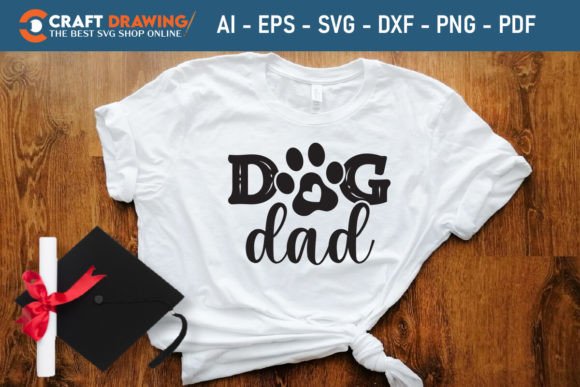
The immediate mood of this design is warm, humorous, and deeply relatable. It captures that specific niche of fatherhood where the dog is essentially a child. Visually, the layout tends to balance playful typography with canine imagery. For embroidery, this combination requires careful attention. The "funny" aspect often relies on clean lines and readable text, while the dog illustration needs enough detail to be recognizable without becoming overly dense. When I first loaded the file into my editing software, I looked specifically at the node count and curve smoothness. A well-constructed SVG should convert cleanly into an embroidery file, whether you are using auto-digitizing tools as a base or manually creating your satin and fill stitches from scratch.
The theme is versatile. It does not scream "novelty gift" in a cheap way; instead, it feels like a genuine celebration of a lifestyle. This distinction matters because it determines the perceived value of your finished product. A high-quality presentation of this design can elevate a simple tote bag into a cherished keepsake.
Real-World Application Scenarios
I recently tested a similar concept for a client who runs a small shop specializing in personalized pet owner apparel. We decided to use the Dog Dad Father’s Day Svg on a heavy-weight cotton sweatshirt. The result was striking. The bold lines of the graphic held up well against the textured fabric, and the humor landed perfectly with the target demographic. However, the application method matters. If you are treating this primarily as a cut file for vinyl or heat transfer, the SVG, PNG, DXF, AI, EPS, and PDF formats included are ideal. But for us embroiderers, these vectors serve as the blueprint for our digitizing process.
Beyond sweatshirts, this design shines on tote bags. A canvas tote with this embroidered motif makes for an excellent holiday embroidery project or a practical everyday item. The durability of thread compared to printed ink means the design will last through countless trips to the dog park. I also see potential for smaller applications, such as embroidered patches. A patch allows the customer to move the design between jackets, bags, or hats, adding versatility to the purchase. For baby items, however, I would proceed with caution. While "Dog Dad" implies a parent, the scale of the design might be too large for delicate baby onesies unless significantly resized and simplified.
Navigating Technical Challenges
Let’s talk about where things can go wrong. Embroidery is unforgiving of poor planning. If you plan to stitch this design on a cap, you must account for the curved surface. Caps require specialized backing and often a different digitizing approach to prevent distortion. The center of the design needs to be stable, and any wide satin stitches should be broken up with underlay to prevent sinking into the foam or fabric.
Fabric texture is another critical variable. On a smooth polo shirt, fine details will pop. On a textured terry cloth towel or a fuzzy fleece blanket, small elements of the dog’s face or intricate lettering may get lost. In these cases, I recommend increasing the stitch density slightly or simplifying the design by removing tiny running stitch details that serve no structural purpose. Dark fabrics present their own challenge. If the design includes light-colored elements, you must ensure your thread colors have sufficient contrast. A test run on scrap fabric is non-negotiable here. Never stitch a final product without verifying how the thread colors interact with the specific fabric batch you are using.
Stabilizer choice is equally vital. For stretchy fabrics like jersey t-shirts, a cut-away stabilizer is essential to prevent the design from warping after washing. For woven fabrics like aprons or pillow covers, a tear-away might suffice, but always consider the weight of the stitch area. Dense fill stitches can pull lightweight fabric, causing puckering. If the Dog Dad Father’s Day Svg has large solid areas, consider using applique techniques to reduce bulk and add a unique tactile element to your handmade product.
Commercial Viability and Brand Consistency
For craft business owners and digital product sellers, this design offers strong commercial potential. Father’s Day is a peak season for personalized gifts. A design that combines humor with sentimentality tends to perform well on platforms like Etsy. However, professionalism is key. Your listing images should show the design stitched out, not just as a digital mockup. Buyers want to see how the threads lay, how the colors blend, and the overall quality of the finish. This builds trust and reduces return rates.
When using this as part of your T-Shirt Designs or broader Graphics collection, ensure it aligns with your brand aesthetic. If your shop focuses on minimalist, modern styles, you might need to adjust the complexity of the dog illustration. If your brand is whimsical and colorful, lean into vibrant thread colors. Consistency in presentation helps customers recognize your work and encourages repeat business.
Practical Designer Notes
Before you commit to a full production run, keep these practical tips in mind:
- Test on Scrap Fabric: Always stitch a sample on the exact fabric type and weight you intend to use for the final product.
- Check Thread Contrast: View your design in black and white to ensure the shapes are distinct even without color.
- Review Stitch Density: If you are digitizing from the SVG, ensure the density is appropriate for the fabric to avoid stiffness or puckering.
- Confirm Hoop Size: Make sure the design fits comfortably within your machine’s hoop, leaving room for stabilization.
- Inspect Small Details: Tiny elements may need to be merged or removed if they are smaller than the needle’s width.
- Verify Licensing: Since the product description mentions compatibility with various cutting software and lists multiple file formats, confirm the specific license terms for commercial use. Ensure you are allowed to sell finished physical items made with this design.
In conclusion, the Dog Dad Father’s Day Svg is a promising asset for embroidery professionals who take the time to adapt it properly. It is not just a graphic; it is a starting point for creating high-quality, emotionally resonant products. By respecting the technical requirements of embroidery and understanding your customer’s needs, you can transform this digital file into a best-selling item in your small shop. Whether it ends up on a rugged apron, a cozy pillow cover, or a stylish cap, the key lies in the execution. Stitch smart, test often, and let the quality of your craftsmanship speak for itself.