Eating Cookies for Two: A Designer’s Review
As an embroidery designer who has spent years digitizing patterns and troubleshooting stitch-outs on everything from delicate baby onesies to heavy canvas tote bags, I approach every new machine embroidery design with a critical eye. It is not just about whether the image looks cute on a screen; it is about how that design translates into thread, tension, and texture on actual fabric. Recently, I evaluated the Eating Cookies for Two Funny Christmas graphic to determine its viability for real-world commercial and personal projects. This review breaks down the practical application of this asset for crafters, Etsy sellers, and apparel decorators.
First Impressions and Visual Personality
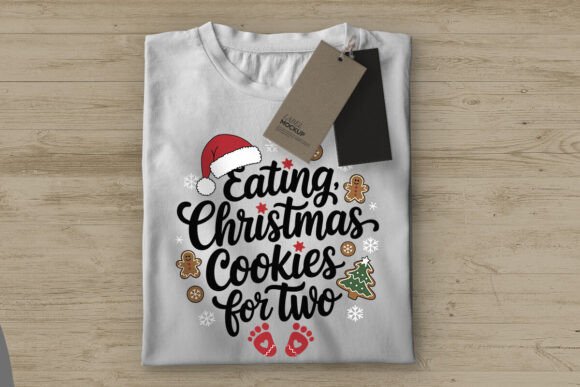
The immediate appeal of Eating Cookies for Two Funny Christmas lies in its whimsical narrative. The theme captures a cozy, humorous holiday moment that resonates well with current trends in handmade gifting. For a designer, the layout is crucial. The composition balances character interaction with negative space, which is vital for embroidery. Overly dense designs can cause fabric puckering, while sparse designs may lack impact. This particular graphic offers a clear silhouette and distinct shapes, suggesting that it would translate well into a clean stitch-out if digitized correctly.
The mood is lighthearted and inviting, making it an excellent candidate for holiday embroidery projects that aim to evoke warmth rather than formal tradition. When I visualize this as a finished product, I see it working best on items where personality shines through, such as matching family pajamas or quirky kitchen linens. The visual personality is friendly and accessible, which is key for driving buyer engagement in a crowded marketplace like Etsy.
Real-World Application Scenarios
To truly test the versatility of a design, I imagine it in specific production scenarios. Here is how Eating Cookies for Two Funny Christmas performs across different mediums:
- Sweatshirt Embroidery: On a fleece or cotton-blend hoodie, this design would serve as a charming chest pocket accent or a larger back print. The soft texture of sweatshirts complements the cozy theme, though one must monitor stitch density to prevent stiffness.
- Tote Bag Design: Canvas bags are sturdy and handle higher stitch counts well. Placing this graphic on a natural-colored tote creates a rustic, artisanal look that appeals to eco-conscious shoppers.
- Baby Embroidery: For infant items, scale is everything. If resized appropriately, this could work on a bib or a blanket corner. However, safety and comfort are paramount, so ensuring no scratchy satin stitches touch sensitive skin is essential.
- Embroidered Patch: Creating a cut-out patch allows for maximum versatility. Customers can iron or sew these onto jackets, hats, or backpacks, extending the life of the design assets beyond a single garment.
For T-Shirt Designs and general Graphics, the high resolution provided in the package—4500×5400 pixels at 300 dpi—ensures that printable mockups look crisp. This is invaluable for Etsy sellers who need professional-looking previews before listing their small shop product inventory. The inclusion of EPS, SVG, and PNG files means you can adapt the artwork for both digital printing and physical stitching workflows.
Technical Considerations and Stitching Challenges
While the graphic is visually appealing, translating it into an embroidery file requires careful planning. Not all graphics are created equal when it comes to needlework. Here are the technical hurdles I anticipate:
Fabric Texture and Stability: Textured fabrics like terry cloth or waffle knit can obscure fine details. If this design includes tiny elements, they may get lost in the pile of the fabric. Conversely, on smooth cotton or polyester blends, the lines will remain sharp. Always use an appropriate stabilizer—cut-away for stretchy fabrics and tear-away for stable woven materials—to maintain shape integrity.
Stitch Type Selection: To replicate the charm of Eating Cookies for Two Funny Christmas, a mix of stitch types is likely necessary. Satin stitch works well for borders and small text, providing a glossy, raised effect. Fill stitch is ideal for larger solid areas, but be mindful of pull compensation to avoid gaps. Running stitch can define delicate outlines without adding bulk. Balancing these elements ensures the design does not become too heavy or distorted.
Color Contrast: Thread color choice can make or break the visibility of the design. On dark fabrics, light threads pop, but you may need an underlay to prevent the background fabric from showing through. Test your thread colors on scrap fabric first. A black-and-white mockup can also help identify if the contrast is sufficient for the design to be readable from a distance.
Commercial Viability and Brand Consistency
For those running a craft business, consistency is key to building brand trust. Using high-quality digital embroidery file packages like this one helps maintain a professional standard. When customers receive a personalized gift that looks polished and well-executed, they are more likely to return and recommend your shop. The humor in this specific design adds a layer of relatability, which can enhance customer connection.
However, before selling any custom apparel or handmade product featuring this artwork, you must verify the licensing terms. The product description mentions versatility for various uses, but it is crucial to confirm whether the license covers commercial sales of finished goods. Never assume; always read the fine print to protect your business.
Practical Designer Notes for Execution
Before committing to a full production run, follow these steps to ensure quality:
- Test on Scrap Fabric: Always stitch out a sample on the same material you intend to use for the final product. This reveals issues with tension, density, or registration.
- Check Hoop Size: Ensure the design fits within your machine’s hoop size limitations. If resizing is necessary, do so proportionally to avoid distorting the characters.
- Inspect Small Details: Zoom in on the digital file. Are there tiny islands of color that might not stitch out well? Simplify if necessary.
- Mockup Verification: Use the provided PNG and SVG files to create realistic mockups. Show the design on both light and dark backgrounds to assess versatility.
- Wash Testing: After stitching, wash the sample item to check for thread bleeding or shrinkage. This step is vital for products that require frequent cleaning, like kitchen towels or baby clothes.
In conclusion, Eating Cookies for Two Funny Christmas is a strong contender for holiday-themed projects. Its charm lies in its simplicity and emotional resonance. By paying attention to technical details like stabilizer choice, stitch density, and fabric compatibility, you can transform this digital asset into a high-value embroidery project. Whether you are creating a unique gift for a loved one or stocking your online store with festive merchandise, this design offers the flexibility and appeal needed to succeed in today’s creative market.