North Pole Est. 1845: A Designer’s Review
As an embroidery designer who has spent countless hours digitizing and testing files for client projects, I approach every new asset with a critical eye. We are not just looking for pretty pictures; we are looking for stitchability, clarity, and commercial viability. When I first loaded the North Pole Est.1845 Milk and Cookie Fres into my workspace, my immediate reaction was one of cautious optimism. This is not just another generic holiday clipart; it carries a specific vintage charm that translates surprisingly well into thread, provided you understand its limitations and strengths.
First Impressions and Visual Mood
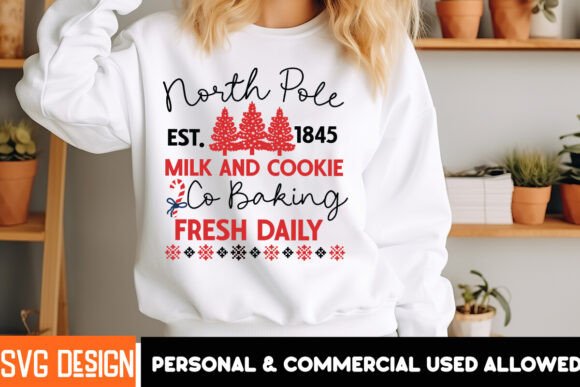
The design centers on a nostalgic narrative. The "Est. 1845" typography suggests heritage and tradition, which pairs beautifully with the whimsical imagery of milk and cookies. For those of us in the craft business, mood is everything. This piece does not scream for attention with neon brightness; instead, it invites a closer look. It feels like something you would find in a high-end boutique rather than a discount bin. The layout is balanced, offering enough negative space to prevent the stitching from becoming a dense, puckered mess on lighter fabrics. As a graphic, it holds its own, but as a machine embroidery design, it requires thoughtful execution to maintain that clean, professional aesthetic.
Real-World Application: The Holiday Tote Test
To truly evaluate this asset, I moved beyond the screen and into the studio. I decided to test the design on a heavy-duty canvas tote bag, a staple item for any Etsy seller during the fourth quarter. Canvas is unforgiving; it shows every gap in coverage and every misaligned stitch. I chose a classic cream-colored fabric to allow the thread colors to pop without the harsh contrast of white-on-white.
The result was compelling. The text remained legible, which is often the first casualty in small-scale embroidery. The cookie and milk elements provided a nice textural contrast to the lettering. If you are creating a personalized gift or a small shop product, this balance is crucial. Customers want to read the message clearly while appreciating the decorative flair. This design fits naturally into the realm of T-Shirt Designs and apparel, but I found it particularly effective on home goods where the viewer has time to appreciate the detail.
Fabric and Hoop Considerations
While the design performed well on canvas, I would advise caution when applying it to stretchy or thin materials. The density of the fill areas in the cookie illustration requires a robust stabilizer. Without proper backing, you risk distortion, especially if the hoop size is pushed to its limit. For sweatshirt embroidery, I recommend using a cut-away stabilizer to support the weight of the stitches against the fuzzy texture of the fleece. On textured fabrics like terry cloth towels, the finer details of the "Est. 1845" script might get lost. In such cases, consider simplifying the thread palette or increasing the overall scale of the design to ensure clarity.
If you are planning to use this on curved surfaces, such as caps or hats, be mindful of the hoop geometry. The horizontal spread of the text and imagery needs to sit flat. A distorted arch can make the vintage typography look amateurish. Always run a test stitch on scrap fabric identical to your final material. This step is non-negotiable for maintaining brand consistency and professionalism.
Commercial Viability and Customer Trust
For commercial embroidery projects, the perceived value of the finished product is paramount. This design lends itself well to higher price points because it looks intentional and curated. It avoids the cluttered look that plagues many free SVG bundles. When customers see a clean, well-executed embroidered item, their trust in your brand increases. Whether you are selling embroidered patches, aprons, or pillow covers, the quality of the digitization reflects directly on your reputation.
However, before listing this as a digital embroidery file or using it in merchandise for sale, you must verify the licensing terms. The product description mentions it is part of a Christmas SVG Bundle, but embroidery rights differ from print-on-demand rights. Ensure that the license allows for physical goods sales. Many creators assume that buying a graphic grants unlimited commercial use, but this is rarely the case without explicit permission. Check the specific terms for the Christmas SVG Bundle or contact the creator if the documentation is unclear.
Technical Notes for the Stitcher
From a technical standpoint, here are my recommendations for getting the best results with North Pole Est.1845 Milk and Cookie Fres:
- Thread Color Contrast: Use high-contrast threads for the text if stitching on dark fabrics. A metallic gold or silver thread could enhance the vintage feel of the "1845" date, adding a touch of luxury to the holiday embroidery.
- Stitch Density: Inspect the fill stitches in the cookie area. If they appear too dense in your software, reduce the density slightly to prevent fabric pull. Conversely, if the running stitches in the outline are too sparse, increase them to ensure smooth curves.
- Scale Testing: Do not assume the default size is perfect for every application. Test the design at 70% and 130% scale. You may find that a smaller version works better for baby clothes, while a larger version suits blanket corners.
- Mockups: Before stitching, create black and white mockups to check for readability. If the design loses its shape in grayscale, it will likely struggle in low-light conditions or on busy patterns.
Final Verdict
The North Pole Est.1845 Milk and Cookie Fres is a strong contender for your holiday collection. It bridges the gap between cute and sophisticated, making it versatile for a wide range of handmade products. It is not a plug-and-play solution for every fabric type, but with proper preparation and attention to detail, it can elevate your custom apparel and home decor lines. For the serious craft business owner, this design offers the visual appeal needed to stand out in a saturated market. Just remember to respect the technical requirements of embroidery, verify your licensing, and always prioritize the quality of the finished stitch over speed of production.